



 LOGIN
LOGIN

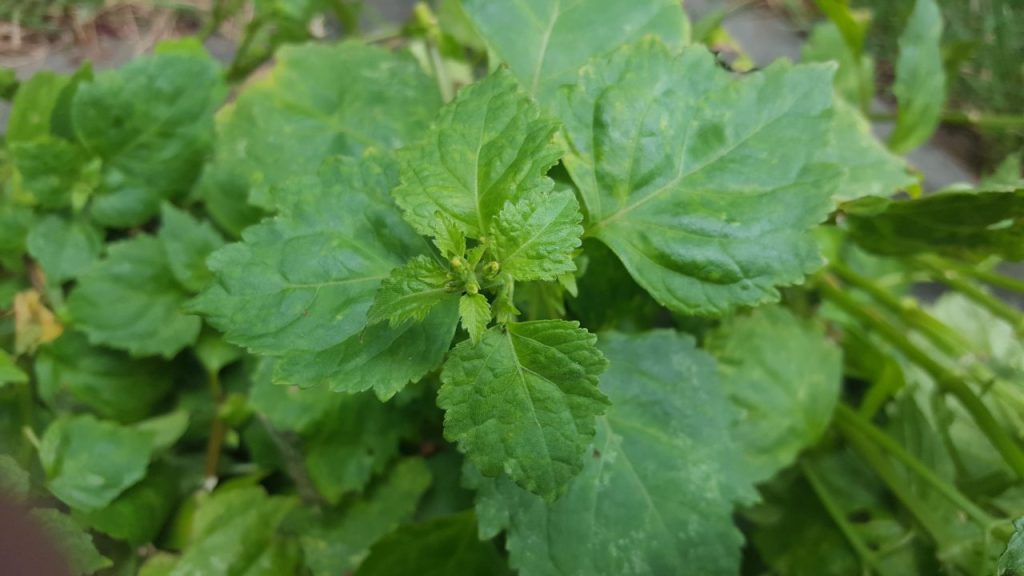
Patchouli, with its rich, earthy aroma, is often nostalgically remembered as the quintessential scent of the 1960s – a symbol of free-spiritedness, peace, and love. However, this distinctive essential oil, distilled from the dried, cured and lightly fermented leaves of Pogostemon cablin, a mint family member, has transcended its historical timestamp to become a staple in modern aromatherapy and natural skincare. Grown and distilled primarily in Sumatra, Sulawesi, Java and India, Patchouli’s unique chemistry, scent profile and therapeutic properties have earned it a revered spot in the pantheon of essential oils.
A Fine Wine Among Oils
Much like a fine wine, Patchouli’s character deepens and enriches with age. The viscous oil matures and deepens over time, enhancing its depth and complexity. This is one of the few oils, similar to Sandalwood, that is not as prone to rapid oxidation as the conifer needle or citrus oils are. The transformation is so valued that Patchouli is often aged deliberately. Patchouli oils aged 5 years or more are especially sought after for their refined quality, notably among perfumers.
Diverse Varieties and Uses
The versatility of Patchouli is evident in its various distillations and forms – from “Dark,” where Patchouli leaves are distilled in an iron still, to “Light,” derived in stainless steel, copper or glass, and even specially aged batches (e.g., 2- to 5-year-old Patchouli) that boast a more nuanced aroma. Regardless of the type, Patchouli’s affinity for the skin, circulatory system, and emotional well-being is unparalleled. It serves as an anti-inflammatory, antifungal, wound-healing agent, and astringent, while also providing venous support and enhancing local circulation. Beyond its physical benefits, Patchouli has long been used to calm the mind, acting as an antidepressant, anxiety reliever, aphrodisiac, and grounding agent.
Chemistry and Safety
The efficacy of Patchouli oil may be attributed to its rich chemical composition, dominated by sesquiterpenes (α-bulnesene and α-guaiene) and sesquiterpenols (patchoulol), with a supportive role played by monoterpenes. This complex chemistry underscores Patchouli’s safety as “generally regarded as safe” for most aromatherapy applications, with caution advised for those with certain health conditions due to its potential to inhibit blood clotting (attributed to α-bulnesene).
Blending and Aromatic Profile
Patchouli’s deep, musky, and earthy-sweet-dark-chocolate aroma is a foundational element in many fragrance blends, acting as a grounding base note that enhances the longevity of other scents. Its compatibility with a wide array of essential oils, from Lavender and Bergamot to Ylang Ylang and Rose, allows for versatile and dynamic aromatic compositions.
Innovative Applications in Wellness
Patchouli’s resurgence in popularity is partly due to its adaptability in various wellness products. Its antifungal properties make it an excellent choice for skin treatments, while its grounding scent-chemistry provides a natural and pleasing way to deter pests and insects. Moreover, its emotional benefits, particularly in easing anxiety and boosting sensuality and libido, make it a valuable component in holistic aromatherapy practices.
Antifungal Sprays and Skin Care: An antifungal spray, combining Patchouli with other therapeutic oils like Palmarosa and Rosalina, offers a gentle yet effective treatment for fungal infections. Similarly, a body oil blend incorporating Patchouli can address skin concerns such as sagging skin and cellulite, as well as providing venous support. Following is an astringent blend to support skin and venous health:
- 1 tablespoon Jojoba or Meadowfoam oil + 1 tbsp Hazelnut oil + 1 tbsp Rosehip seed oil + 1 tbsp Tamanu oil
- 10 drops Patchouli (Pogostmon cablin)
- 2 drops Cistus (Cistus ladanifera)
- 9 drops Cypress (Cupressus sempervirens)
- 2 drops Roman chamomile (Chamaemelum nobile)
- 2 drops Rose (Rosa X damascena)
Emotional Well-being: Patchouli’s influence on emotions is profound. Its grounding properties help stabilize mood swings and alleviate hyperactivity, making it an essential oil of choice for fostering a sense of peace and mental clarity. I’ve enjoyed this blend to support sensual embodiment:
- 2 tablespoons of Sesame oil (or other vegetable oil)
- 4 drops Patchouli (Pogostemon cablin)
- 3 drops Ylang ylang (Canaga odorata “complete” or “extra”)
- 3 drops Black Pepper (Piper nigrum)
- 4 drops Red Mandarin (Citrus X reticulata)
- 1 drop Rose Otto (Rosa X damascena)
Insect Repellent and Sleep Aid: A linen spray that doubles as an insect repellent, featuring Patchouli among other essential oils, not only keeps pests at bay but also promotes a calm and restful sleep environment.
- 2 tablespoons Geranium hydrosol (Pelargonium graveolens)2 tablespoons
- Thyme ct linalool hydrosol (Thymus vularis ct linalool)
- 20 drops Patchouli (Pogostemon cablin)
- 13 drops Catnip (Nepeta cataria)
- 13 drops Geranium (Pelargonium x asperum OR Pelargonium graveolens)
- 10 drops Thyme ct linalool (Thymus vulgarus ct linalool)
- 4 drops Lemon Eucalyptus (Eucalyptus citriodora)
Embracing Patchouli Today
The modern revival of Patchouli in aromatherapy and natural skincare is a testament to its timeless appeal and multifaceted benefits. From its historical roots in the 1960s counterculture to its current status as a beloved natural remedy and cosmetic ingredient, Patchouli continues to enchant and heal. We celebrate the enduring legacy of Patchouli, inviting you to rediscover this aromatic treasure and integrate its profound benefits into your daily wellness routine.
Uncover the alluring depths of Patchouli’s character by watching my “Plant Talk” video. Let’s explore its captivating essence together—press the play button to explore Patchouli’s deep and sensual personality.
Leave a Reply